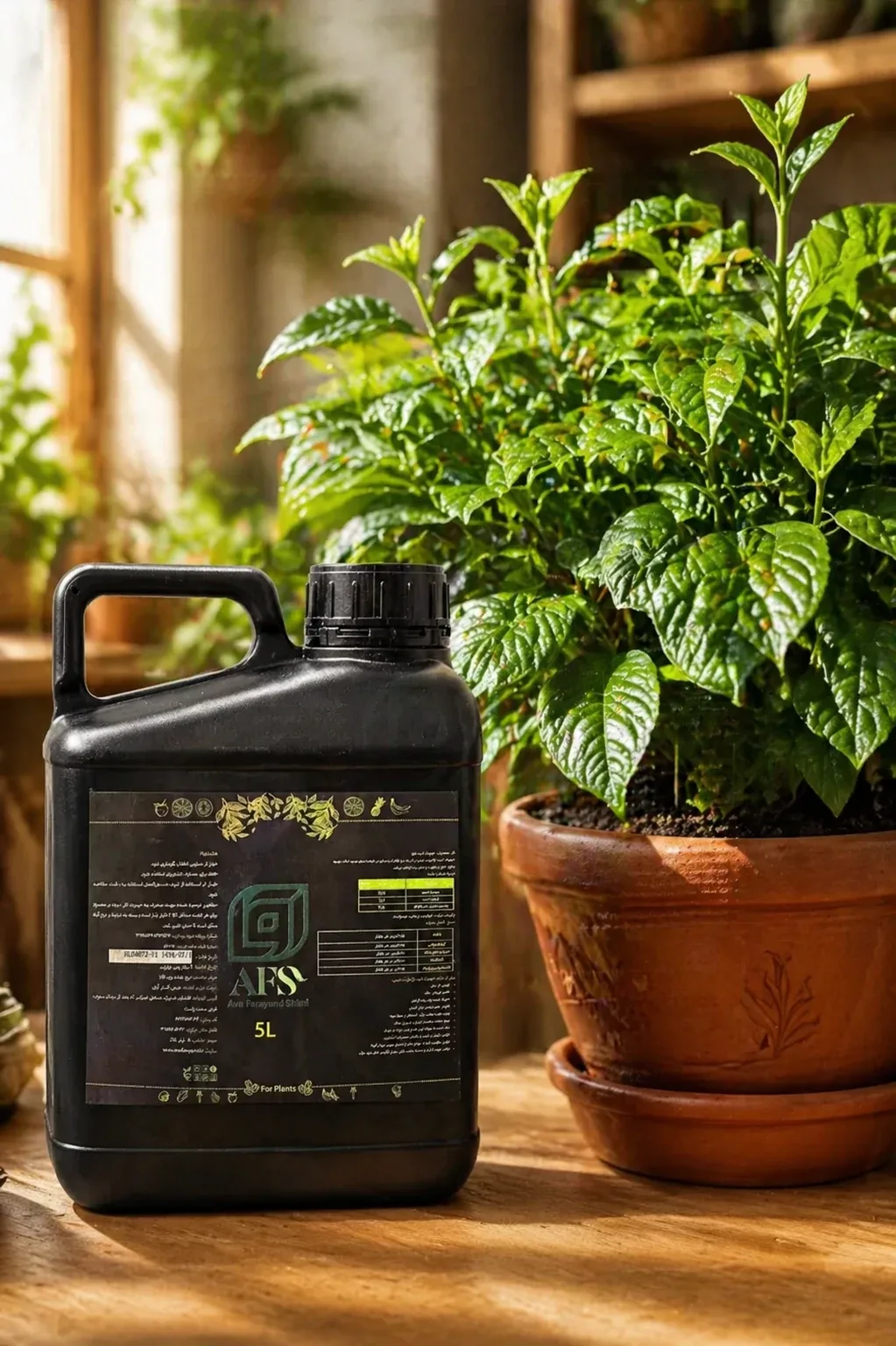

هیومیک اسید ایرانی بهتراست یا چینی؟
مقدمه
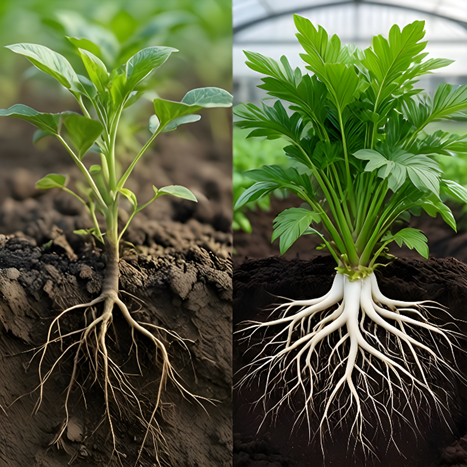
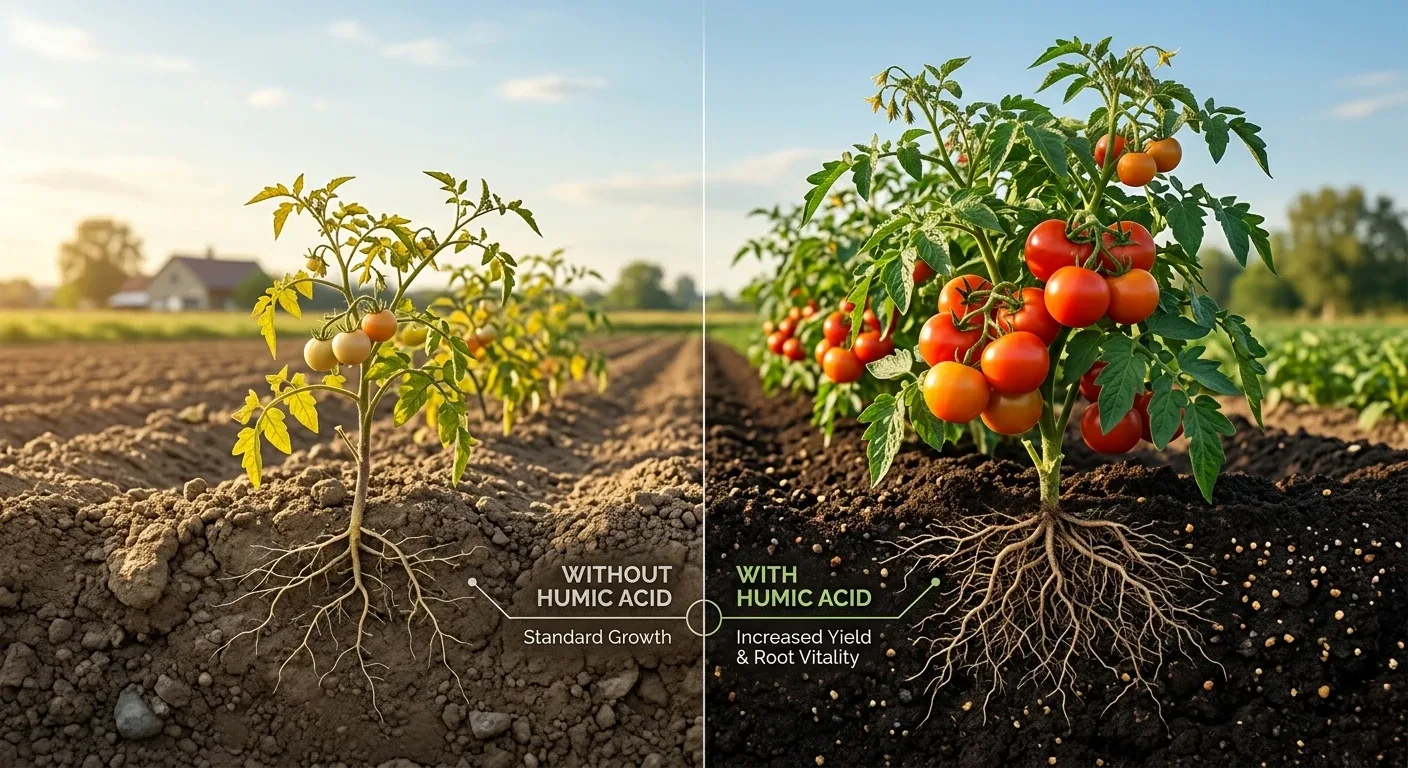
وقتی یک کشاورز یا یک توزیعکنندهی کود کشاورزی بهدنبال بهترین مارک کود هیومیک اسید میشود، معمولاً دو سؤال در ذهن دارد: «کیفیت واقعی محصولی که میخرم چقدر است؟» و «آیا این هزینه با سود مزرعه یا باغ من همخوانی دارد؟». هیومیک اسید که اساساً همانند یک طلا در بین همۀ مواد آلی خاک میدرخشد؛ از لئوناردیت یا لیگنیت استخراج شده، و با کِلاتهسازی عناصر ریزمغذی در خاک،دسترسی ریشۀ گیاهان به آهن،روی،منگنز و سایر عناصر را سرعت میبخشد. در ادامه ابتدا، ماهیت این کود را بررسی میکنیم، سپس معیارهای تشخیص بهترین برند هیومیک اسید را مرور میکنیم.
معیارهای انتخاب بهترین هیومیک اسید
در بازار پرتنوع امروز، هر محصولی که واژه «هیومیک» را یدک میکشد، الزاماً بهترین هیومیک اسید نیست؛ بنابراین در انتخاب بهترین مارک کود هیومیک اسید، چند فاکتور کلیدی را فراموش نکنید:
- درصد هیومات و روش آنالیز: استاندارد ISO19822 (متد HPTA) دقیقترین روش اندازهگیری درصد هیومات است. عددی که بر پایه این متد گزارش شده، معیار مقایسه واقعی است.
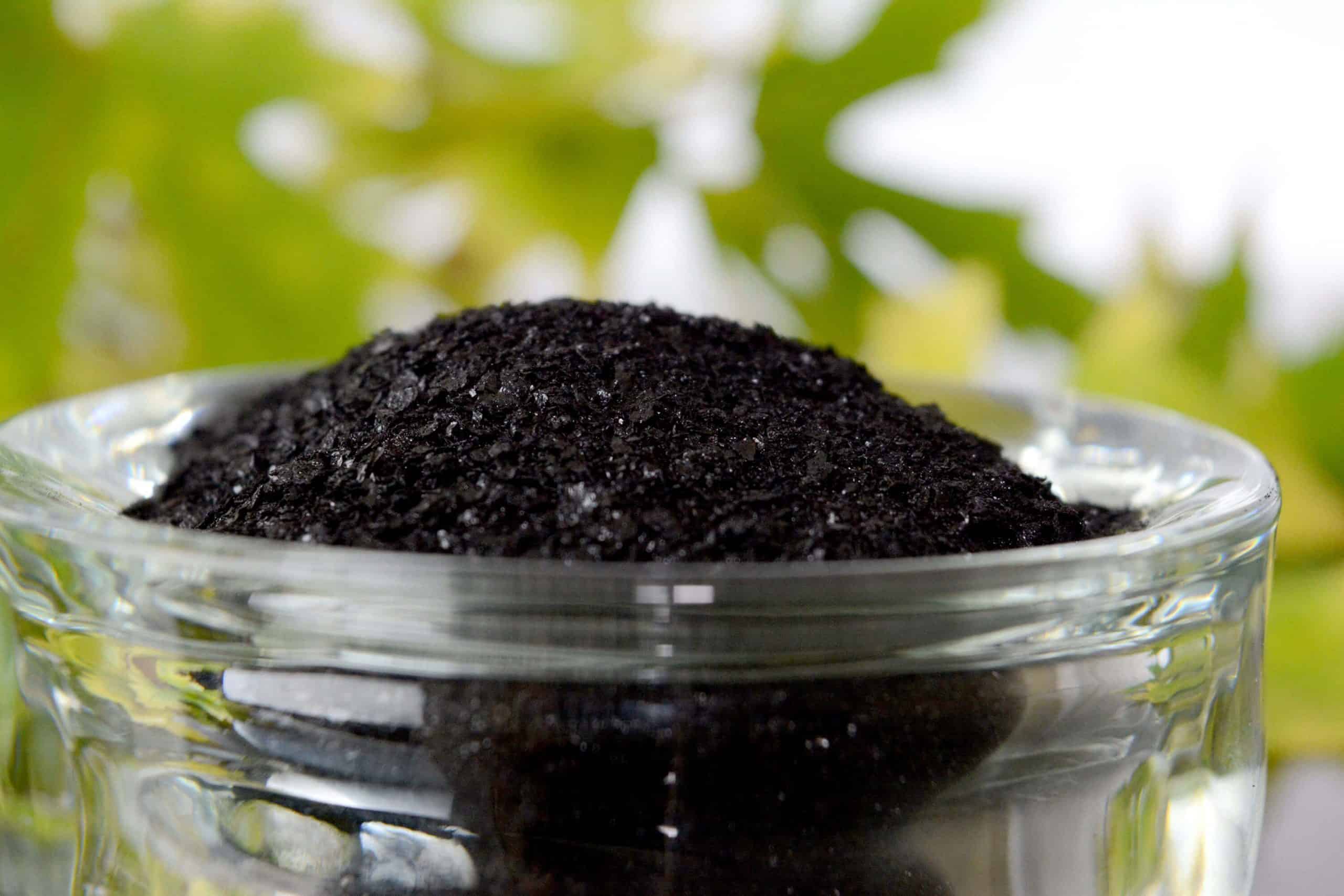
- فرم فیزیکی و حلالیت: پرک، پودر و مایع هرکدام مزایایی دارند؛ که در مقالات قبلی به آن اشاره شده است، اما فرم پرک اگر واقعاً پرک باشد، امکان تقلب سازنده را تقریباً ناممکن میکند؛ پس اگر بهدنبال نحوه تشخیص هیومیک اسید اصل از تقلبی هستید، باید بدانید که پرک اورجینال و با خلوص بالا اصلاً در سیستم آبیاری رسوب نمیدهد.
- منشأ ماده خام و سازگاری با اقلیم: هیومیکی که از لئوناردیت استخراج و در چند مرحله خالص سازی شود، ناخالصیهای فلزی و سیلیکاتی کمتری دارد.
- ثبات pH و هدایت الکتریکی محصول تولیدی معیاری برای بهترین برند هیومیک اسید است.
- نتایج آزمون مؤسسات مستقل، گواهیهای مؤسسه تحقیقات خاک و آب یا آزمایشگاههای بینالمللی، صحت درصد ماده خشک، عناصر سنگین و مواد ناخواسته را تأیید میکند.
مزایای هیومیک اسید آوا فرآیند نسبت به نمونههای مشابه چین
بازار محصولات وارداتی، بهویژه از کشورهای با تولید انبوه مانند چین، با تنوع کیفی بسیار گستردهای همراه است. اگرچه برخی برندهای بینالمللی استانداردهای بالایی دارند، اما بزرگترین چالش هیومیک اسیدهای چینی در بازار داخلی، نوسان شدید کیفیت و عدم ثبات در بارهای ارسالی است. بسیاری از این محصولات ممکن است حاوی ناخالصیهای زیاد، درصد ماده فعال پایین یا مواد نامرغوبی باشند که به سلامت خاک و گیاه آسیب میزنند. در این میان، محصولات بومی باکیفیت، همچون هیومیک اسید آوا فرآیند مزایای استراتژیک قابلتوجهی را ارائه میدهند.
- انطباق با شرایط اقلیمی: فرآیند تولید درآوا فرآیند، با نگاه به ویژگیهای خاص خاکهای ایران (غالباً قلیایی و شور) محصول هیومیک اسید را تولید کرده است.
- بهینهسازی قیمت و ثبات عرضه: حذف هزینههای سربار گمرکی و نوسانات نرخ ارز، دسترسی به این محصول را سریعتر و از نظراقتصادی توجیه پذیرتر کرده است.
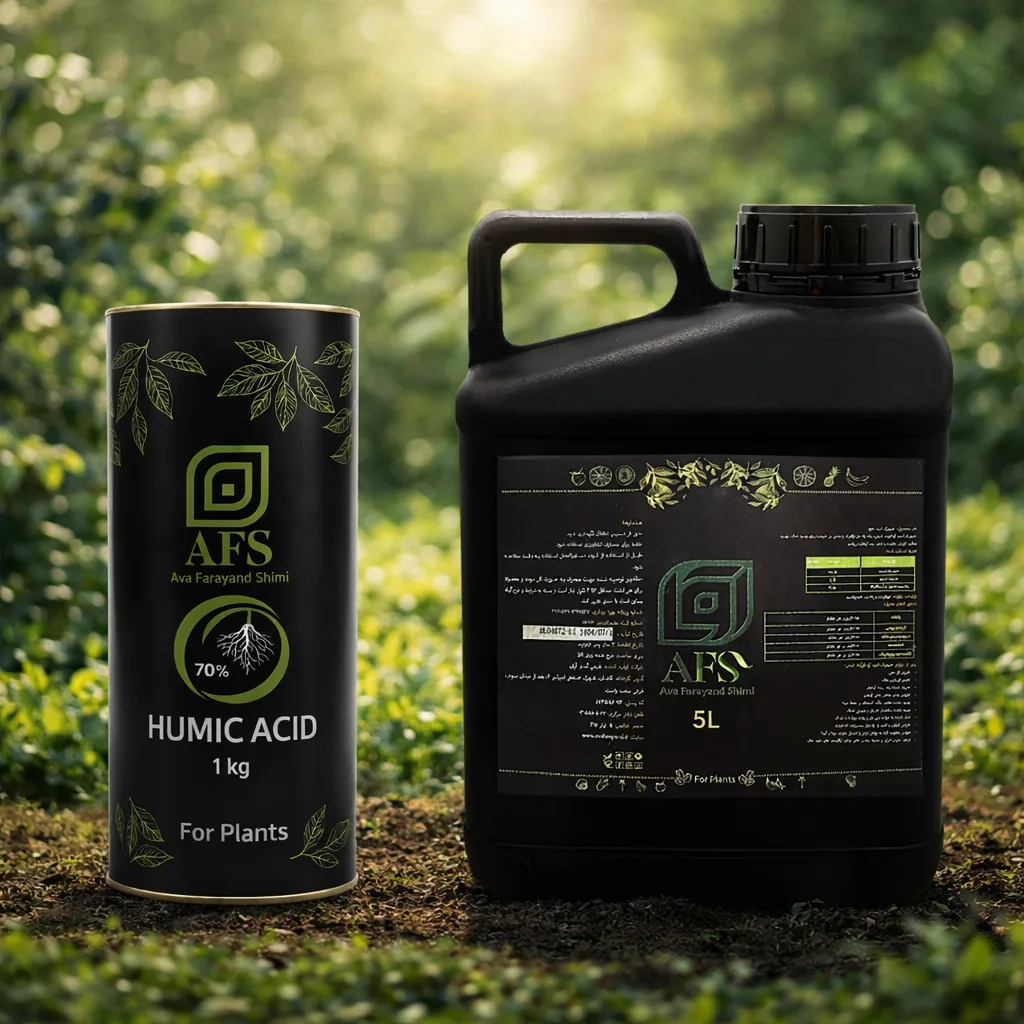
بهرهگیری از تکنولوژیهای بومی در مجموعههایی نظیر آوافرآیند ثابت کرده است که تولید محصولی با خلوص بالا، حلالیت کامل و مطابق با استانداردهای بینالمللی، نه تنها از نظر فنی با نمونههای برتر جهانی رقابت می کند، بلکه با فراهم کردن امنیت پایداری قیمت، حاشیه سود کشاورز را تضمین مینمایند. در نهایت، تشخیص اصالت از طریق بررسی فرم پرک، تست حلالیت و استعلام گواهیهای مؤسسه تحقیقات خاک و آب، مطمئنترین مسیر برای دستیابی به بهترین برند هیومیک اسید است.
نتیجه گیری
در این مقاله تلاش کرده ایم معیارهای انتخاب صحیح و آگاهانه پتاسیم هیومات را بررسی کند. سپس نمونههایی از پتاسیم هیومات موجود در بازار مورد ارزیابی قرار گرفتهاند. اگر مایل به خرید محصول شرکت آوا فرآیند هستید، لطفاً با ما تماس بگیرید.
منابع
- Bhatt, P. & Singh, V. K. (2022). Effect of humic acid on soil properties and crop production – A review. The Indian Journal of Agricultural Sciences, 92(12). DOI: 10.56093/ijas.v92i12.124948.
- Alwan, B. M., Khadim, W. T., & Salman, N. A. (2025). Humic acid fertilizers: Mechanistic contributions and applications in sustainable agroecosystems. International Journal of Research in Agronomy, 8(12), 498–500. DOI: 10.33545/2618060X.2025.v8.i12g.4422.agronomyjournals.com
- Mahgoub, N. A. & Abdelhameed, H. H. (2023). Comparative analysis of humic and fulvic acids extraction and characterization from different organic sources. Sinai Journal of Applied Sciences, 12(4), 615–626. DOI: 10.21608/sinjas.2023.227384.1223
- Allahkarami, E., Allahkarami, E., Rezai, B., & Azadmehr, A. (2025). Advancing humic acids extraction procedures: A review of methods, innovations, and sustainability challenges. Separation and Purification Technology. DOI: 10.1016/j.seppur.2025.133954
Is Iranian Humic Acid Better or Chinese?
Introduction
When a farmer or an agricultural fertilizer distributor looks for the best brand of humic acid fertilizer, they usually have two questions in mind: “What is the real quality of the product I’m buying?” and “Does this cost match the profit of my farm or orchard?”
Humic acid, which essentially shines like gold among all organic soil substances, is extracted from leonardite or lignite. By chelating micronutrients in the soil, it accelerates plant root access to iron, zinc, manganese, and other elements.
In the following, we first examine the nature of this fertilizer and then review the criteria for identifying the best humic acid brands.
Discussion
Criteria for Selecting the Best Humic Acid.
In today’s diverse market, not every product carrying the “Humic” label is necessarily the best. Therefore, when choosing the best humic acid brand, do not forget these key factors
- Humate Percentage and Analysis Method: The ISO19822 standard (HPTA method) is the most accurate way to measure humate percentage. A value reported based on this method is the true benchmark for comparison.
- Physical Form and Solubility: Flakes, powders, and liquids each have their own advantages; however, the “flake” form if it is genuine makes counterfeiting almost impossible. If you are looking for how to distinguish original humic acid from fake versions, you should know that high-purity, original flakes do not leave any residue in irrigation systems.
- Raw Material Origin and Climate Compatibility: Humic acid extracted from leonardite and purified in multiple stages contains fewer metallic and silicate impurities
- pH Stability and Electrical Conductivity (EC): The stability of these factors in the final product is a hallmark of a top-tier brand.
- Independent Testing Results: Certificates from the Soil and Water Research Institute or international laboratories confirm the accuracy of dry matter percentage and the absence of heavy metals or unwanted substances.
Advantages of Ava Farayand Humic Acid Over Chinese Competitors
The market for imported products, especially from mass-producing countries like China, is characterized by a very wide range of quality. While some international brands maintain high standards, the biggest challenge with Chinese humic acids in the domestic market is extreme quality fluctuation and inconsistency between different shipments. Many of these products may contain high levels of impurities, low percentages of active ingredients, or inferior materials that harm soil and plant health. In this context, high-quality indigenous products, such as Ava Farayand humic acid, offer significant strategic advantages:
- Climate Compatibility: The production process at Ava Farayand has been specifically designed considering the unique characteristics of Iranian soils, which are predominantly alkaline and saline.
- Price Optimization and Supply Stability: By eliminating customs overhead costs and exchange rate fluctuations, access to this product has become faster and more economically viable.
The utilization of indigenous technologies in facilities like Ava Farayand has proven that producing a product with high purity, complete solubility, and compliance with international standards not only competes technically with top global brands but also guarantees the farmer’s profit margin by providing price stability and security.
Ultimately, verifying authenticity through inspecting the flake form, performing solubility tests, and inquiring about certifications from the Soil and Water Research Institute is the most reliable path to obtaining the best humic acid brand.
Conclusion:
This article attempted to address the criteria for correct and informed selectionof potassium humate. Subsequently, samples of humic acid in the market werereviewed. If you wish to purchase Ava Farayand humic acid product, please contact us.
References
- Bhatt, P. & Singh, V. K. (2022). Effect of humic acid on soil properties and crop production – A review. The Indian Journal of Agricultural Sciences, 92(12). DOI: 10.56093/ijas.v92i12.124948.
- Alwan, B. M., Khadim, W. T., & Salman, N. A. (2025). Humic acid fertilizers: Mechanistic contributions and applications in sustainable agroecosystems. International Journal of Research in Agronomy, 8(12), 498–500. DOI: 10.33545/2618060X.2025.v8.i12g.4422.agronomyjournals.com
- Mahgoub, N. A. & Abdelhameed, H. H. (2023). Comparative analysis of humic and fulvic acids extraction and characterization from different organic sources. Sinai Journal of Applied Sciences, 12(4), 615–626. DOI: 10.21608/sinjas.2023.227384.1223
- Allahkarami, E., Allahkarami, E., Rezai, B., & Azadmehr, A. (2025). Advancing humic acids extraction procedures: A review of methods, innovations, and sustainability challenges. Separation and Purification Technology. DOI: 10.1016/j.seppur.2025.133954