
مزایای علمی و عملی استفاده از هیومیک اسید برای کشاورزی
مقدمه: با آوا فرآیند به سوی تحول در کشاورزی پایدار
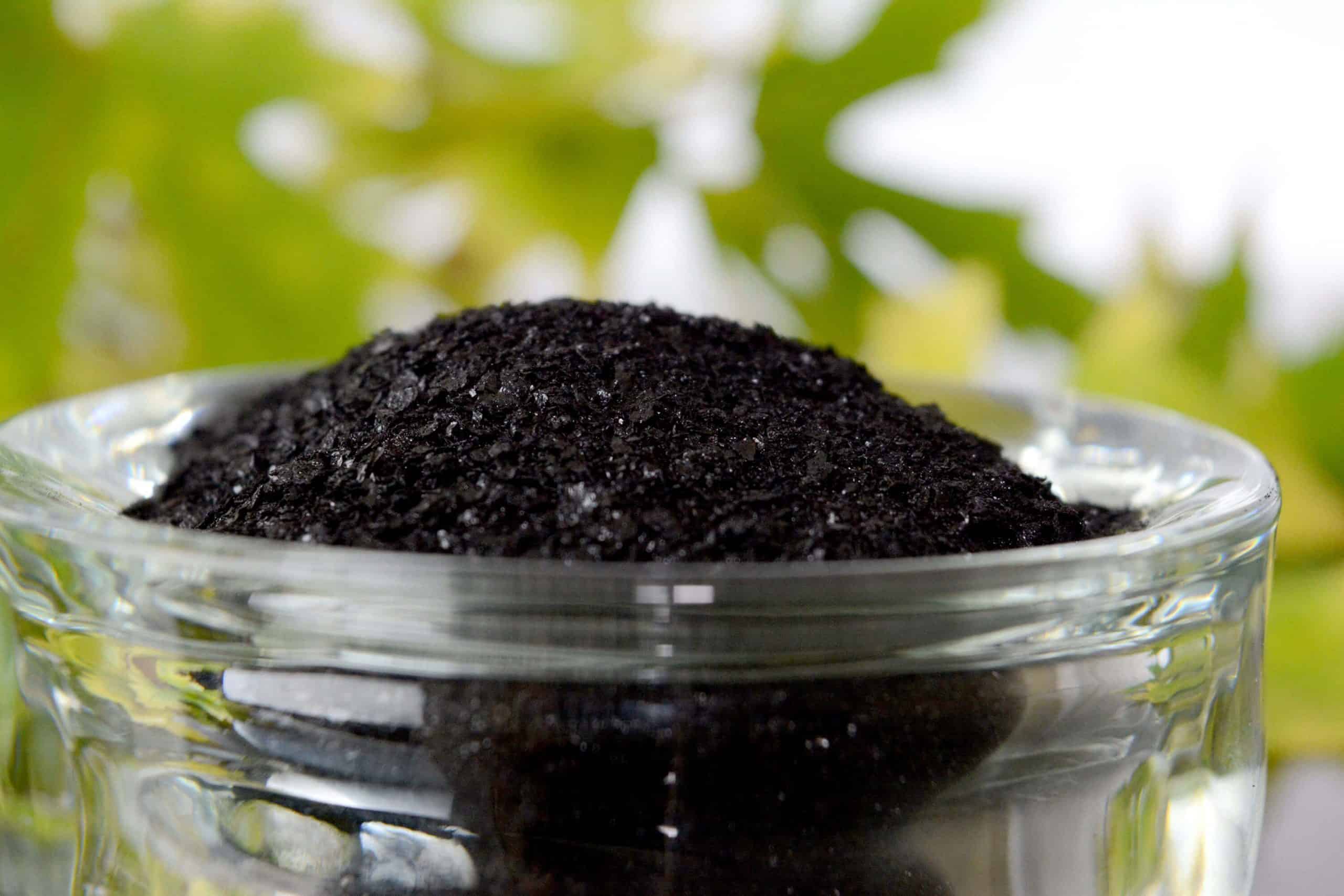
در دنیای مدرن کشاورزی، گذر از روشهای سنتی و پرهزینه به سمت راهکارهای علمی و هوشمندانه، ضامن بقا و سودآوری است. مجموعه آوا فرآیند با درک عمیق از چالشهای خاکهای ایران (از جمله شوری و کمبود مواد آلی)، در این مقاله جامع به بررسی دقیق یکی از قدرتمندترین نهادههای اصلاحکننده، یعنی «هیومیک اسید» میپردازد. ما در این نوشتار، از ماهیت علمی این ماده به عنوان عصاره نهایی تجزیه مواد آلی پرده برمیداریم و سپس نقش حیاتی آن را در آزادسازی عناصر بلوکه شده و اصلاح ساختار فیزیکی خاک بررسی میکنیم. همچنین خواهید آموخت که چگونه این ماده به عنوان یک محرک زیستی، موجب انفجار ریشهزایی و ارتقای چشمگیر کیفیت محصول نهایی میگردد. در نهایت، با تکیه بر دانش متخصصان ما، به یک جمعبندی کاربردی برای استفاده بهینه از این طلای سیاه)هیومیک اسید) دست خواهید یافت.
بخش اول: در خاک چه اتفاقی میافتد؟ (مزایای علمی)
۱. آزادسازی مواد بلوکه شده:
بسیاری از کشاورزان علیرغم مصرف کودهای زیاد، نتیجه مطلوب نمیگیرند. دلیل آن «قفل شدن» عناصر در خاک است. هیومیک اسید مانند یک کلید، عناصری مثل فسفر و آهن را که در خاکهای رسی یا آهکی گیر کردهاند، آزاد کرده و به ریشه تحویل میدهد.
۲. اصلاح ساختار خاک:
هیومیک اسید خاکهای سفت و رسی را دانهبندی میکند تا ریشه بتواند در آنها نفس بکشد. در مقابل، در خاکهای شنی مثل آهنربا عمل کرده و مانع از هدررفت آب و شسته شدن کودها میشود.
3.تنظیم اسیدیته خاک:
اغلب خاکهای ایران قلیایی و آهکی هستند. هیومیک اسید با خاصیت بافری خود، محیط اطراف ریشه را متعادل میکند تا جذب مواد غذایی در بهترین حالت انجام شود.
بخش دوم: برای گیاه چه سودی دارد؟ (مزایای عملی)
۱. انفجار ریشهزایی:
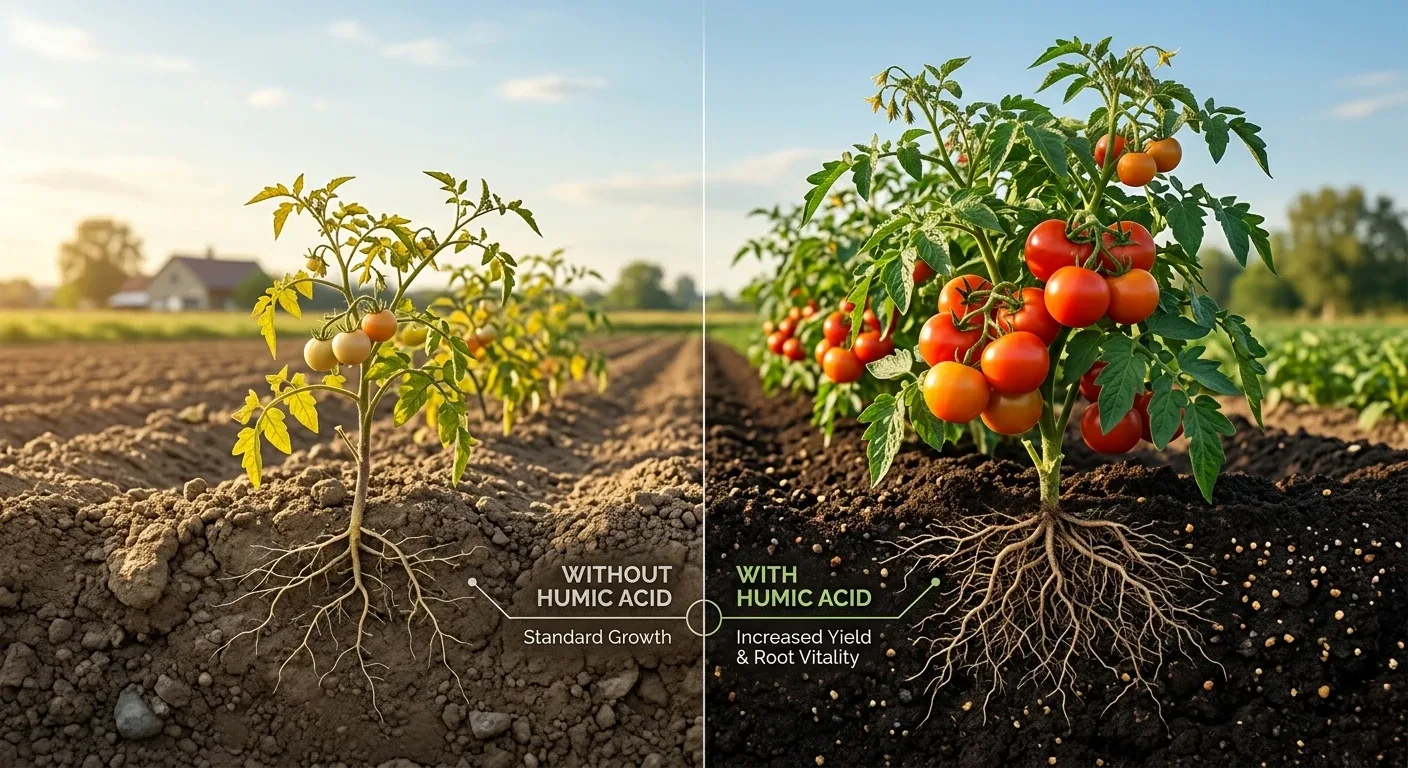
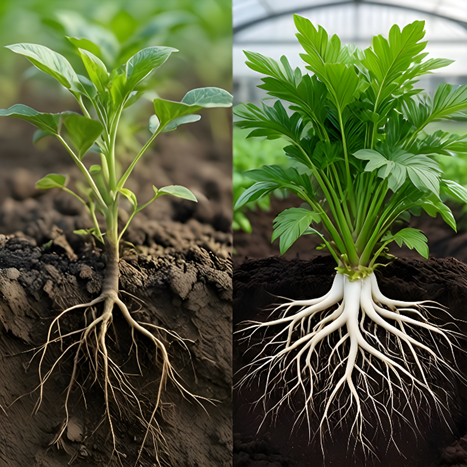
بارزترین اثر هیومیک اسید، افزایش حجم ریشههاست. ریشه بزرگتر یعنی دسترسی به آب بیشتر در لایههای عمیقتر خاک، که این موضوع مقاومت گیاه را در برابر خشکی به شدت بالا میبرد.
۲. مقاومت در برابر تنشها:
گیاهی که هیومیک اسید دریافت کرده، در برابر شور شدن خاک، سرمای ناگهانی یا گرمای شدید، بسیار مقاومتر از گیاهان معمولی عمل میکند. این ماده سیستم ایمنی گیاه را تقویت میکند.
۳. بهبود کیفیت محصول:
استفاده از این ماده باعث میشود میوهها خوشرنگتر، درشتتر و با طعم بهتر تولید شوند. همچنین به دلیل افزایش جذب قندها، خاصیت انبارداری محصول نیز افزایش مییابد.
نتیجهگیری:
استفاده از هیومیک اسید دیگر یک انتخاب لوکس نیست، بلکه یک ضرورت برای کشاورزی پایدار و اقتصادی محسوب میشود. همانطور که در این بررسی آموختیم، این ماده با اصلاح زیرساختهای خاک و تقویت بنیه گیاه، پلی میان پتانسیل ژنتیکی بذر و عملکرد نهایی محصول ایجاد میکند. مجموعه آوا فرآیند همواره بر این باور است که سلامت خاک، تضمینکننده سلامت جامعه و سودآوری کشاورز است. با جایگزینی تدریجی رویکردهای اصلاحی به جای مصرف بیرویه کودهای شیمیایی، نهتنها هزینههای تولید کاهش مییابد، بلکه زمینی حاصلخیزتر برای نسلهای آینده باقی خواهد ماند.
منابع:
Journal of Plant Nutrition (T&F)- The International Humic Substances Society (IHSS)
Scientific and Practical Benefits of Using Humic Acid for Agriculture
Introduction: Towards a Transformation in Sustainable Agriculture with chemy Gostar
In the modern world of agriculture, moving from traditional and costly methods to scientific and intelligent solutions is a guarantee of survival and profitability. chemy Gostar, with a deep understanding of the challenges of Iranian soils (including salinity and lack of organic matter), in this comprehensive article, examines in detail one of the most powerful soil amendment inputs, namely “humic acid”. In this article, we will reveal the scientific nature of this substance as the final extract of organic matter decomposition and then examine its vital role in releasing blocked elements and improving the physical structure of the soil. You will also learn how this substance, as a biological stimulant, causes an explosion of rooting and significantly improves the quality of the final product. Finally, relying on the knowledge of our experts, you will reach a practical conclusion for the optimal use of this black gold (humic acid).
Part One: What Happens in the Soil? (Scientific benefits)
- Releasing blocked substances:
Many farmers do not get the desired results despite using a lot of fertilizers. The reason is that the elements are “locked” in the soil. Humic acid, like a key, releases elements such as phosphorus and iron that are stuck in clay or calcareous soils and delivers them to the roots.
- Improving soil structure:
Humic acid granulates hard and clay soils so that the roots can breathe in them. On the contrary, it acts like a magnet in sandy soils and prevents water loss and leaching of fertilizers.
- Regulating soil acidity:
Most Iranian soils are alkaline and calcareous. Humic acid, with its buffering properties, balances the environment around the roots so that nutrient absorption is carried out in the best possible way.
Part Two: What is the benefit for the plant? (Practical benefits)
- Rooting Explosion:
The most obvious effect of humic acid is an increase in root volume. Larger roots mean more access to water in deeper soil layers, which greatly increases the plant’s resistance to drought.
- Stress resistance:
A plant that has received humic acid is much more resistant to soil salinity, sudden cold or extreme heat than ordinary plants. This substance strengthens the plant’s immune system.
- Improving product quality:
The use of this substance causes fruits to be produced in a more colorful, larger and better-tasting way. Also, due to increased sugar absorption, the storage properties of the product are also increased.
Conclusion:
The use of humic acid is no longer a luxury choice, but a necessity for sustainable and economical agriculture. As we learned in this review, this substance creates a bridge between the genetic potential of the seed and the final yield of the crop by improving the soil infrastructure and strengthening the plant’s vigor. Shimi Gostar Group always believes that soil health guarantees the health of society and the profitability of the farmer. By gradually replacing the excessive use of chemical fertilizers with improvement approaches, not only will production costs be reduced, but a more fertile land will remain for future generations.
Sources:
1-Journal of Plant Nutrition (T&F)
2-The International Humic Substances Society (IHSS)